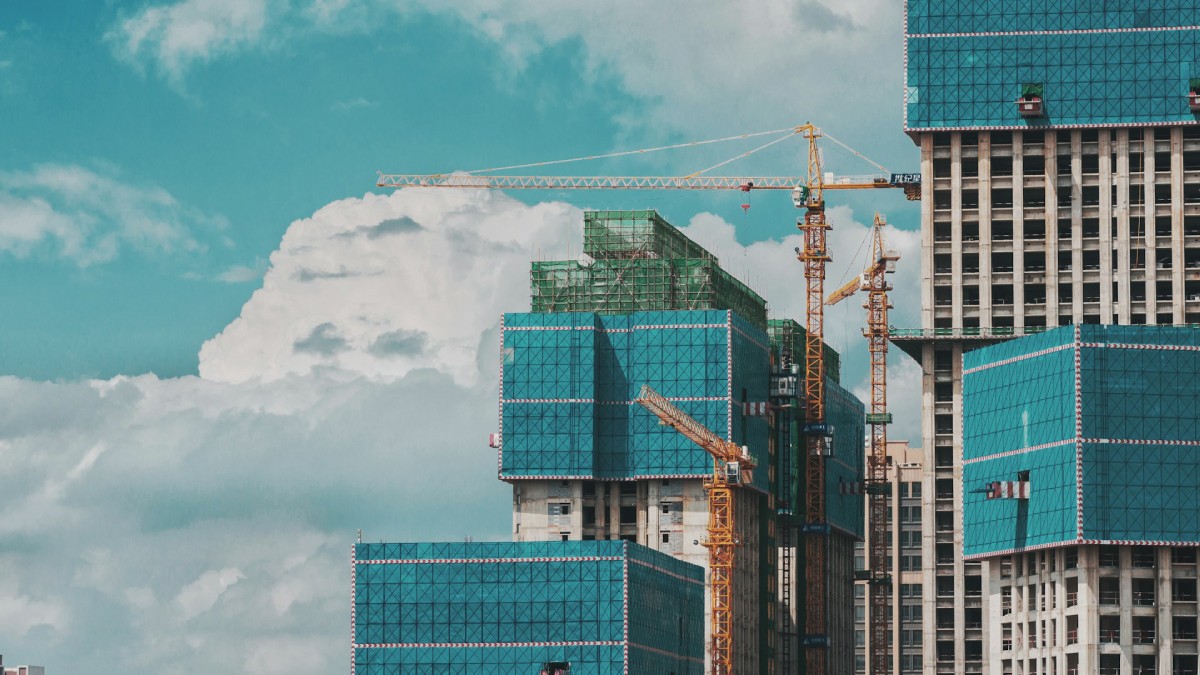

As urban environments continue to expand, the construction industry is witnessing a remarkable shift towards biophilic design – an approach that connects buildings with nature. This growing trend isn’t just about aesthetics; it’s revolutionizing how we think about human wellbeing in built environments.

Understanding Biophilic Design
Biophilic design integrates natural elements and experiences into modern buildings. This architectural philosophy goes beyond simply adding a few plants to an office space. It encompasses a holistic approach to construction that fundamentally changes how we interact with our built environment.
The Three Pillars of Biophilic Design
1. Direct Nature Experiences
- Living walls and indoor gardens
- Natural lighting through strategic window placement
- Water features that create dynamic environments
- Use of natural materials like wood and stone
- Indoor-outdoor transitional spaces
2. Indirect Nature References
- Natural patterns and shapes in architectural elements
- Color schemes inspired by nature
- Textures that mimic natural environments
- Biomimicry in structural design
- Nature-inspired artwork and decorative elements
3. Space and Place Conditions
- Variable airflow patterns
- Dynamic and diffuse light
- Connection with natural systems
- Spatial hierarchy similar to natural environments
- Integration with local ecosystems
Conclusion
Biophilic design represents more than just a trend in modern construction – it’s a fundamental shift in how we approach building design and human wellbeing. As we continue to understand the profound impact our built environment has on human health and productivity, the integration of nature into our buildings becomes not just desirable, but essential.
For construction companies and developers, embracing biophilic design principles offers a competitive advantage while contributing to a more sustainable and healthy future. As we move forward, the question isn’t whether to incorporate biophilic design, but how to do it most effectively for each unique project.
The future of construction lies in creating spaces that not only shelter us but nurture our innate connection with nature. By embracing biophilic design principles, we can build environments that promote health, productivity, and wellbeing for generations to come.